Built on the foundations of an ancient Incan city destroyed by Pizarro, the Cusco is dotted with beautiful colonial edifices that marry rigorous geometrical Inca lines with the curls and flourishes of Moorish-Spanish baroque art. The Plaza de Armas in Inca times was called “Huacaypata,” a Quechua word meaning a place of meeting or of weeping. With the arrival of the Spanish, the plaza was transformed: they built stone arches and erected the buildings that still surround it to this day like the Cathedral and The Society of Jesus Church. Cusco Cathedral construction occurred in two phases: first the Chapel of Triumph that was built on what had been the ancient temple of Suntur Wasi (House of God); afterward, the cathedral was erected on the palace of the Inca Wiracocha. The Renaissance style dominates the façade and the interior, which features particularly exquisite carvings in cedar and alder. The choir and the pulpit are both remarkable for their beauty. It houses an important collection of paintings from the Cusco School and silver-embossed objects. A few blocks from the main square is located the Inca site of Qorikancha (Golden Courtyard). It forms the foundations of the colonial church of Santo Domingo, creating an unusual combination of monolithic Inca and arched colonial architecture. In Inca times the temple walls were clad with 700 sheets of solid gold, proving a tempting lure for the conquistadors. The gold sheets and gold and silver statues are gone, melted down and recast by the Spanish, but the impressively hewn curved wall of basalt stonework remains. It was originally built as an observatory and religious temple to the sun, housing the mummified bodies of the Inca rulers.


This is the absolute BEST travel agency, I have used them three times already and will use them again soon. All the practical pieces are so seamless that travel is pure joy!!!
Charlotte Byrne
Massachusetts, USA

Too many to mention. Loved the whole tour. Great informative guide, well planned, great sights and music. We had a thoroughly enjoyable time and all travel connections worked perfectly.
Caroline Campbell
Michigan, USA
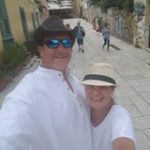
Peru travel solutions helped us plan an 8 day/9 night trip to Peru. Our trip was amazing and memorable. We chose a very active vacation which included white water rafting, hiking to Machu Picchu and Rainbow mountain in addition to various ruins. We had guides every day who were punctual in picking us up, knowledgeable about the sites and great to work with. Would definitely recommend this tour company. They made our trip easy and relaxing in terms of the details and logistics.
Ginny De Sautel
Florida, USA

They took care of every detail. The private guides were well informed and fun.
Catherine Perry
Boston, USA

Great experience and very well planned. Thanks
Bhavna Srivastava
Boston, USA
Un viaje excelente! La pasamos increible, muy buena organizacion!
Alessia Viacava
Madrid, España

My friend and I have recently returned from an amazing sightseeing trip to Peru, where we travelled extensively on tours, organised by Tempo Tours. We received an excellent service with amazing attention to detail. Drivers and guides were extremely professional, knowledgeable, polite, prompt and couldn’t do enough to ensure we had a great experience. A big thank you to Ernesto who went out of his way to resolve any queries and give advice. Thank you all for giving us a trip to remember!
Helen Farren
London, UK
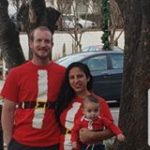
From beginning to end, our trip was super stress free. Our tour guide, Marden, was amazing and the fact he spoke English and knew so much about nature was nice because my hubby could do what he came to the jungle for, which was explore the wildlife!
Lorena Cobb
Georgia, USA

We booked our trip to Peru through Peru Travel Solutions. We had the pleasure of working with Ernesto Burneo. Ernesto is a knowledgeable professional who is very eager to please. He did a great job at accommodating all the activities that interested us and explained everything thoroughly. Highly recommend Ernesto and Peru Travel Solutions.
Mirta Gonzalez
Florida, USA